01
Mechanical design
Review mechanisms, fixtures, motion and service access around the required process and available layout.
Concept layout / 3D structure / engineering drawingsCUSTOM INDUSTRIAL AUTOMATION · MADEONCHINA
Turn a production requirement into a defined equipment project.
We connect mechanical and control design, drawing-based parts, assembly and staged commissioning around your product, process and site conditions.
“Non-standard automation” is also used for this project-based work. The machine scope and performance are defined only after technical review.
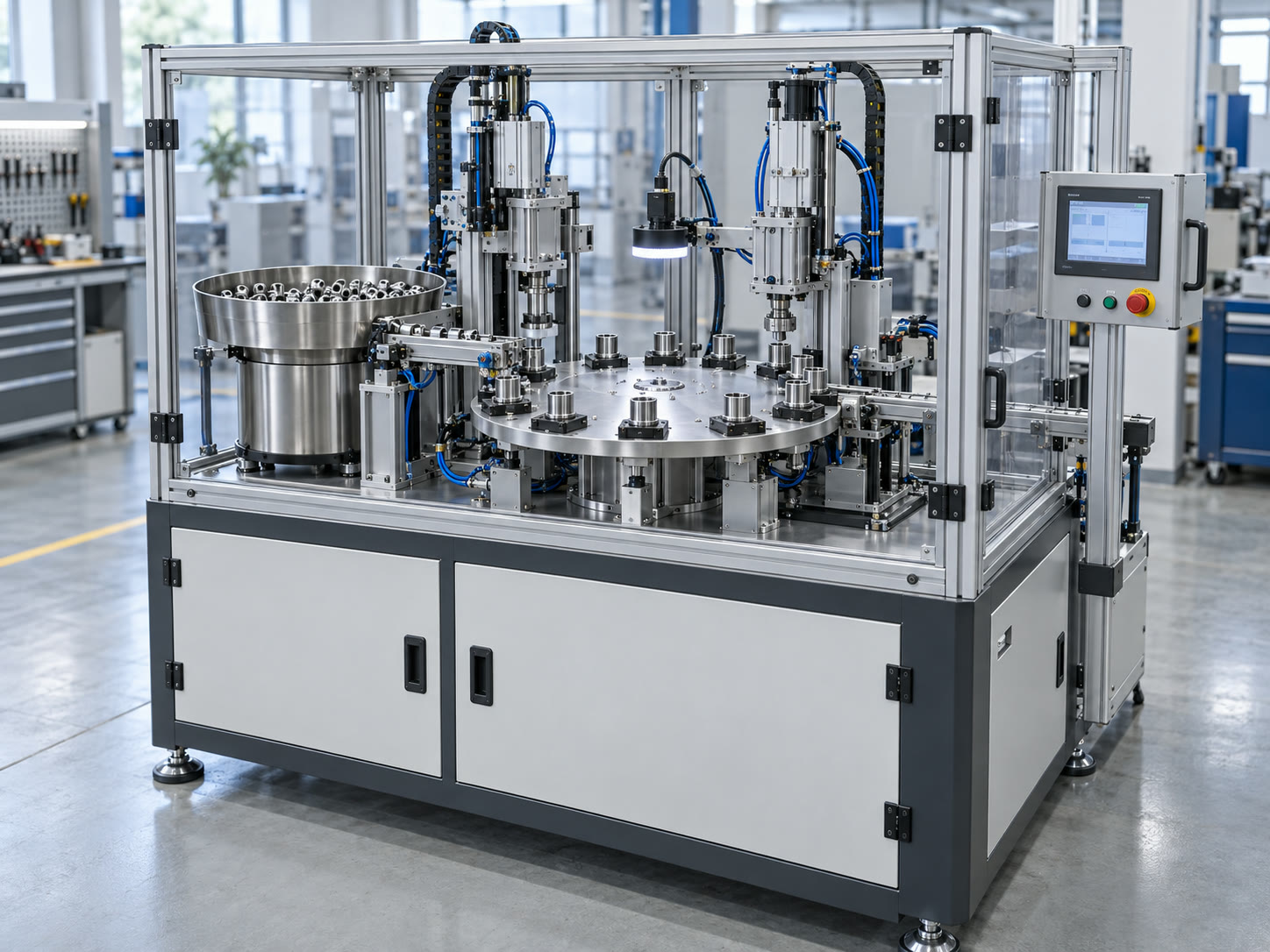
01 / CONNECTED PROJECT CAPABILITIES
The exact work package can cover a complete machine or selected project stages. Inputs, responsibilities and deliverables are confirmed before work begins.
Review mechanisms, fixtures, motion and service access around the required process and available layout.
Concept layout / 3D structure / engineering drawingsDefine the action sequence, signals, interfaces and operator interaction required by the agreed machine scope.
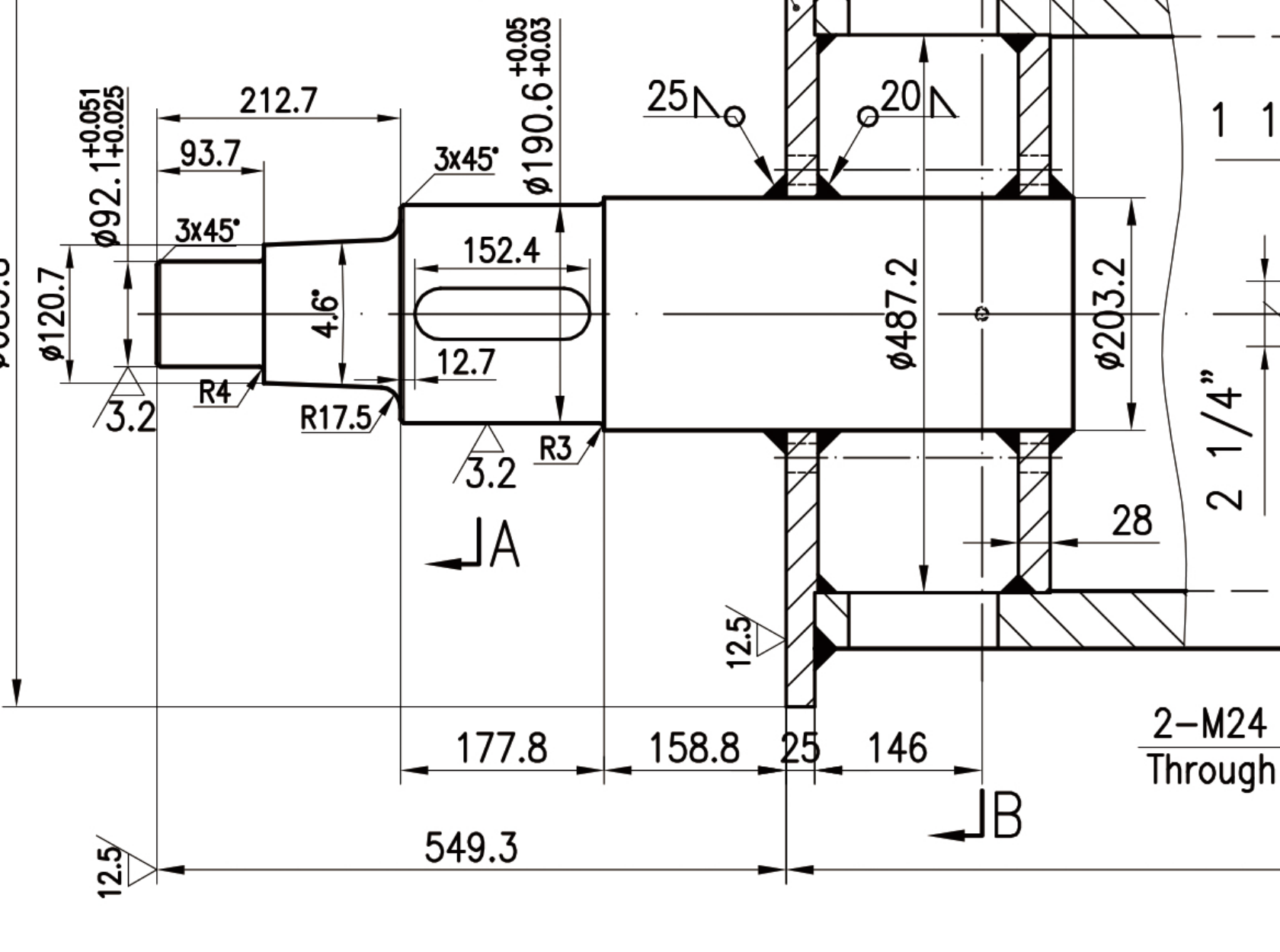
Electrical documents / PLC and HMI logic / interface definitionTranslate agreed materials, dimensions, tolerances and fits into parts for assembly. Included processes and sourcing are confirmed per project.
Build to drawing / critical dimensions / fit checksCoordinate mechanical assembly and electrical or pneumatic connections, with attention to installation references, labeling and maintenance access.
Mechanical assembly / connections / interface checksCheck individual actions before linked operation, using the agreed material and operating conditions to review interfaces, stops and recovery.
Action checks / linked tests / issue closurePrepare the records and operating or maintenance information named in the technical agreement, with support responsibilities defined for the project.
Acceptance records / agreed documents / operator communicationService content, technical targets, control platform, documentation, installation work and support are subject to project review and the written technical agreement. This page does not state fixed performance or certification.
02 / FROM REQUIREMENT TO AGREED DELIVERY
Each stage passes reviewed information to the next. Phase gates and deliverables are agreed for the specific project.
Define the workpiece, current sequence, target cycle, quality criteria, site conditions and proposed acceptance method.
Discuss the mechanism, station layout, interfaces and technical points that need validation.
Develop the approved structure and control approach, then confirm selected components, drawings, materials and action logic.
Organize drawing-based parts, purchased items, mechanical assembly and wiring while checking defined dimensions and connections.
Use agreed materials and conditions to review motion, target cycle, abnormal stops and the recovery sequence.
Apply the acceptance method in the technical agreement and transfer the documents and operating information included in scope.
Changes affecting design, parts, interfaces or site use should be reviewed and recorded so that the delivered scope follows the confirmed requirement.
03 / START FROM THE OPERATION
The items below are application directions for technical discussion. They are not a list of completed customer installations or preset machine models.
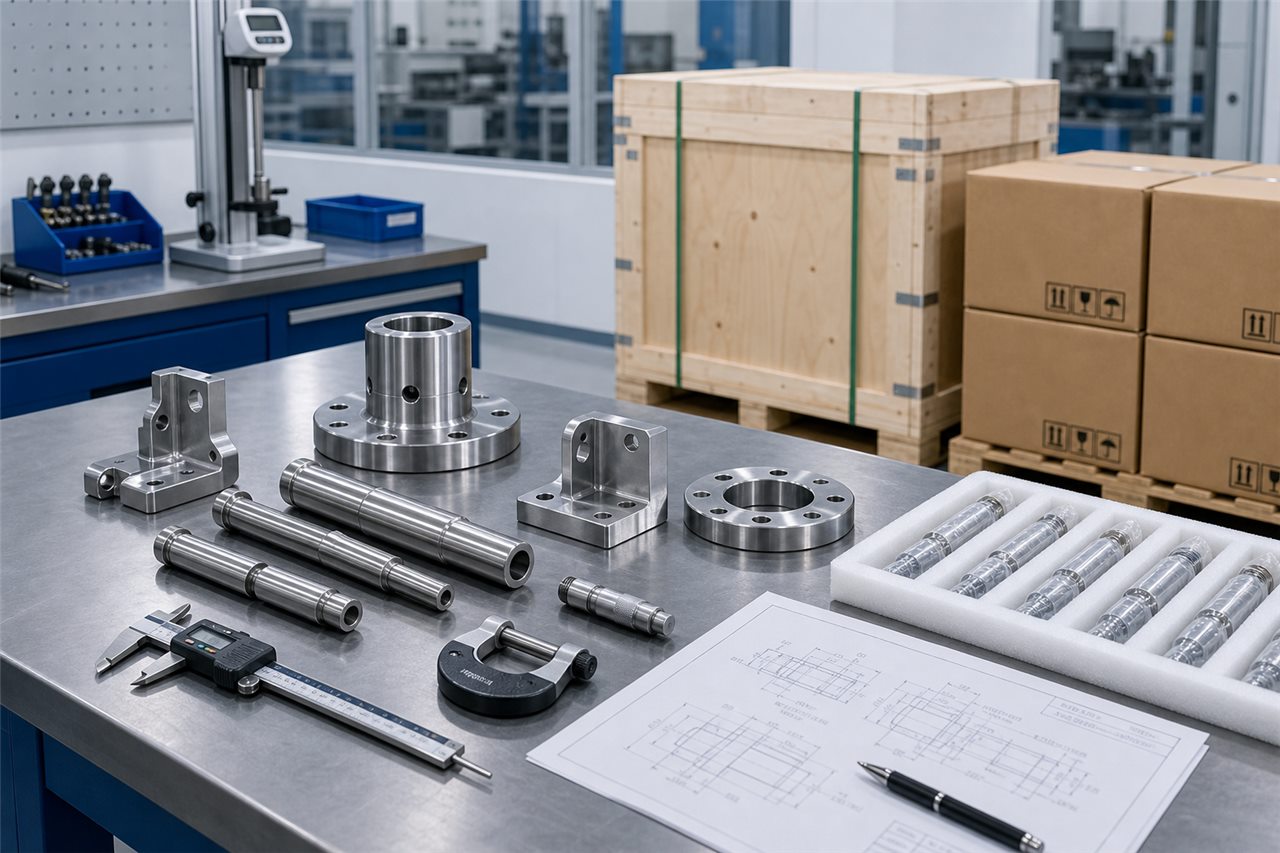
Review part orientation, presentation, gripping, transfer path and the interface with the production machine.
Start from positioning, clamping, pressing or screwdriving steps and define the required fixture and sequence.
Connect adjacent operations by reviewing transfer, diversion, buffering, handling and palletizing requirements together.
Define the feature to check, decision criteria and traceability needs before selecting an inspection and sorting approach.
Review existing machines, available space, planned downtime and control interfaces before defining the added station.
04 / START WITH THE RIGHT INPUT
A workpiece drawing, a short video of the current operation or a site layout can support the first review.
Prepare a project briefDrawings, dimensions, weight, material, incoming condition and representative samples or images.
Current manual or machine sequence, bottlenecks and the actions the new equipment should perform.
Required output, critical quality conditions, changeover frequency and how acceptable parts are identified.
Available space, utilities, upstream and downstream equipment, signals and communication requirements.
Requested supply scope, destination, schedule target, budget range and proposed acceptance conditions.
START WITH A TECHNICAL REVIEW
We can first separate known inputs, open questions and items that require validation. A quotation and schedule follow only after the scope is sufficiently defined.
Zhengzhou Zhongchuang Machinery · MadeOnChina
Include what you already know. Unknown items can be marked “to be reviewed.”
Email and WhatsApp links open an external app. Review your message, attach drawings and send it there; nothing is sent automatically from this page.
QUESTIONS BEFORE THE REVIEW
Yes. Product photos, a description or video of the current process, approximate site dimensions and an output target can start the review. The first task is to identify what is known and what still needs validation.
A selected project stage can be discussed. Its inputs, responsibilities, deliverables and relationship to the remaining machine work need to be agreed before implementation.
They depend on the process, required validation, selected components, manufacturing and assembly work, site conditions and support scope. This page does not set a universal cycle time, accuracy, price or delivery period.
Before design, define representative test material, operating conditions, target cycle, quality decision, test duration, abnormal-stop handling and the document list. The technical agreement should record later requirement changes.
No. Control hardware, software responsibilities, electrical and safety requirements, applicable standards and any required certification must be reviewed for the destination and agreed in writing.